Derek Hart's How Couples Heal: 1,871 Members, One Admin
How Couples Heal is Derek Hart's Skool community at $47 a month, with 1,871 members and a single admin. Inside the two-tier offer and the revenue per member.

How Couples Heal is Derek Hart's Skool community at $47 a month, built around watching real recorded couples sessions rather than reading about them. It runs two named tiers, one for couples and one for the therapists and coaches who want to learn the method. Skool's Games board put it sixth in the Relationships category on 31 August 2026, on $14,521.50 a month, and it does that with 1,871 members supervised by exactly one admin.
The numbers
- Relationships niche (couples repair, plus practitioner training)
- Rank 6 on the Skool Games Relationships top 50, global rank 434
- 1,871 members, 1 admin
- $47/month, free trial on the button
- $14,521.50 MRR, 30-day change -$1,713.92
- 348 posts, created 7 January 2026
- 3,141 visitors listed
- 5.0 from 5 reviews
Who is Derek Hart?
Derek Hart is a couples therapist who states 36 years and more than 41,000 hours of work with couples on the community's own page. His Skool bio reads "I train therapists and coaches how to work with couples using Attachment Theory. And I teach couples at the group level to repair their marriages." Both the years and the hours are his own figures and are reproduced here without independent verification.
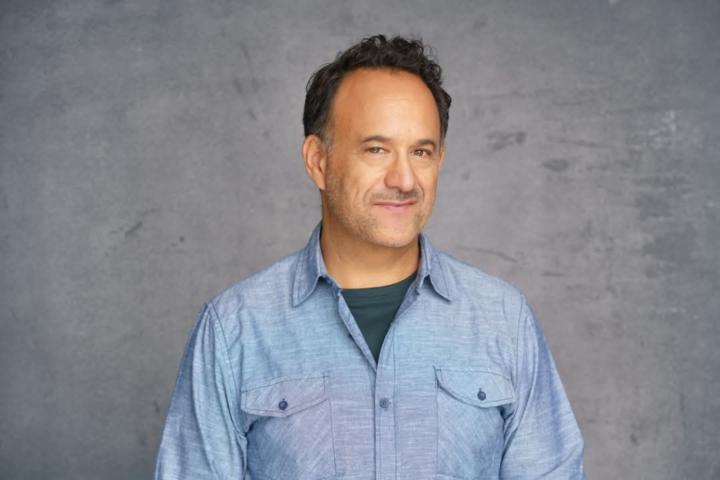
The room opened on 7 January 2026, so it was just under eight months old when these numbers were read, and it had already reached global rank 434, the strongest position of any Relationships room in this batch of five.
What does How Couples Heal sell?
Observation. The page's central promise is that you watch real sessions and have the moments most people miss slowed down for you. Below, the published copy in full. Five markers point at the mechanisms doing the work, and each one opens on hover.
2I've spent 36 years and more than 41,000 hours working with couples. I teach by demonstration.
3You'll watch real sessions and see the moments most people miss as we slow them down: the face, the pause, the breath, the instant something meant as care lands as blame, or finally lands as care.
✅ THE RELATIONSHIP LAB (Standard)
4For your relationship. Watch real couples work through the moments where they lose each other. Learn to see what's happening between you and how to create repair. Come alone or together.
✅ ATTACHMENT UNIVERSITY (Premium)
5For therapists, coaches, counselors, and people learning to help couples.
We watch clips together. I'll show you what I saw, why I waited or interrupted, what I was testing, where I missed, and how I knew whether an intervention landed.
Relationship Lab included.
Protection becomes vulnerability. Vulnerability becomes contact. Contact begins to create repair.
One library, two prices, two completely different buyers
The clever part of this offer is that both tiers consume the same raw material. The recorded sessions are the asset; what changes between tiers is the commentary track.
That is a structurally cheap way to build a premium tier, and it is the opposite of the usual approach. Most founders gate extra content, which quietly tells the standard buyer that their tier is missing something. Attachment University gates Derek's reasoning, so the standard buyer still gets the whole library and the premium buyer gets a different job done with it. We first named this pattern in Ultimate Mobility, whose premium tier gates a single onboarding call and nothing else, and it holds here at much larger scale.
| Tier | Named buyer | What is actually sold | Why they pay |
|---|---|---|---|
| The Relationship Lab (Standard) | Couples, or one half of one | Recorded sessions plus the framework | To recognise their own pattern |
| Attachment University (Premium) | Therapists, coaches, counselors | The same clips plus the practitioner's reasoning | Professional skill they can bill for |
A consumer buys relief. A practitioner buys capability, uses it at work and can expense it. Selling both from one production line is the reason a single person can run a room of 1,871.
The revenue per member is 16.5% of the button price
$14,521.50 across 1,871 members is $7.76 per member, against a $47 listed price. That is a share of sticker of about 16.5%, and it means the revenue equals roughly 309 members paying full price.
Do not read that as a failing room. A free trial sits on the join button and the community is under eight months old. The thirty-day change of -$1,713.92 is reported here as published; nothing on the page explains it, and a trial cohort reaching its first real charge is one possible shape among several we cannot distinguish from outside. What the ratio does say clearly is that a 1,871 member counter and a paying customer base are not the same object, and that any screenshot quoting the first as social proof is quoting the wrong number.
Why "come alone or together" is the highest-leverage line on the page
It removes the single largest objection in the category before the buyer has to raise it.
Every couples product implicitly asks whether the other person will participate, and in the households most likely to buy, the answer is no. Saying so out loud converts a disqualified visitor into a customer. It also quietly changes what the product has to deliver: a solo attendee can be promised sight, not repair, which is a promise one person can keep. Healing Attachments reaches the same conclusion from the other direction by writing exclusively to the wife, and Couple's Growth Skool rejects it entirely by pricing per couple with a free partner seat. Three rooms in one category, three different answers to the same question about who is willing.
Demonstration is a moat, testimony is not: anyone can claim 41,000 hours. Almost nobody can show them. The reason this page can put its credential in the second sentence and get away with it is that the third sentence hands the buyer the receipts to check it with. If your expertise cannot be watched, the number of years you have been doing it is just an assertion competing with every other assertion in the category.
The formula you can copy
Find the second audience already inside your first. Derek's couples work generated recordings; the recordings turned out to be teaching material; the teaching material is a premium tier with a professional budget behind it. Nothing new had to be produced.
Gate the thinking, not the assets. It keeps the entry tier whole, which protects the funnel that feeds the premium tier in the first place.
Say who can come alone. The willingness of a second person is the hidden qualifier in half the offers in this niche, and it costs nothing to answer it in the copy. If you are weighing that against a per-couple price, Skool membership tiers covers the structural trade, how to price a Skool community covers the number, and the Skool Games leaderboard shows where a room like this lands once the pricing settles.
Data date is 31 August 2026, taken from the room's own sales page and from Skool's published leaderboard entry for it. The 36 years, the 41,000 hours and the tier descriptions are the founder's own words. How Couples Heal is a group education product, not therapy, and nothing in this article is clinical advice, a recommendation or an assessment of anyone's practice. The premium tier's price is not published on the about page, so no annual or upgrade figure is stated above. Anyone experiencing harm or fear in a relationship should contact local emergency services or a domestic abuse support line.
Frequently asked questions
What is How Couples Heal on Skool?
How Couples Heal is Derek Hart's Skool community where members watch recorded couples sessions and learn to read the moments inside them. It runs two tiers: The Relationship Lab for couples or individuals, and Attachment University for therapists, coaches and counselors, which includes the Lab. The room shows 1,871 members and one admin.
How much does How Couples Heal cost?
The join button reads $47 per month with a free trial. The premium tier, Attachment University, is described on the about page but its price is not shown there, so we do not state one.
Can you join if your partner will not?
Yes. The about page says "Come alone or together" in the standard tier description, and the promise for a solo attendee is learning to see what is happening between you and how to create repair, rather than a guaranteed change in the other person.
What qualifications do you need to be a relationship therapist?
Requirements vary by country and state, and typically involve a relevant graduate degree, supervised clinical hours and a licence from a regulating body, with optional method-specific certifications on top. A Skool community such as Attachment University is continuing education and peer training, not a licence, and it should not be read as a route to practising independently.
Is watching recorded couples sessions actually useful?
It is the whole premise here, and the argument for it is that conflict is fast and the useful detail sits in pauses and facial shifts that a written summary loses. Whether it works for a given person is not something we can assess. As general information rather than advice: it is educational content, and it does not replace an assessment of your own relationship by someone qualified to make one.
Why can this room list 1,871 members against one admin when others list eight?
Most likely because the deliverable here is recorded and rewatchable rather than delivered live by people. Compare She Rises, which promises a team of practitioners and carries eight admins for 123 members. Neither number is a verdict on either room; what it shows is that the promise written into a sales page is what sets the headcount behind it.
Start your Skool community
Ready to build a community of your own? Start on Skool through our link. We may earn a commission if you create and keep a paid community, at no extra cost to you.
Start your Skool community →Keep reading

ShayMaxx's Maxxxin: 434 Members and $12,613 in 69 Days
Patriarchy.com on Skool: Will Knowland's $9 Marriage Room

Her Standard: 20 Members Earning $1,746 a Month on Skool
Derrick Jaxn's Skool: 2,071 Members at $7 a Month

The Comeback: $12,383 MRR in 62 Days on Skool
Social Skills Decoded: $19 Sticker, $46.28 Per Member

BetterMan Academy: $27 Sticker, $31.79 Per Member
Understanding Attraction: Tim Brazeal's $49 Dating Skool
Dating With Gracie: 123 Members at $7,500 a Year on Skool