Real Skool Growth Boost Results: From Fantasy Crochet to Plumbing
Skool creators are sharing real Growth Boost results across wildly different niches, from crochet and guitar to plumbing and Mandarin. Here are 16 of them, and the one thing they all have in common.
The fastest way to understand Skool Growth Boost is to look at who it is working for. When Skool spends its own ad money sending paying members to communities, you would expect the wins to cluster in the usual money and AI niches. They do not. The results creators have shared publicly span crochet, guitar, plumbing, dog training, and language learning, and the pattern underneath them is the real lesson. Here are sixteen, with one thing they all share.
Every result below was shown by Skool's team in this breakdown. Source: Skool News.
What the results show
- Every niche is represented, not just money and tech
- Skool Network often drives 50 to 98% of signups
- Small and large creators both benefit
- The common thread: a clear, specific niche
The results
These figures were shared publicly by Skool and the creators themselves. We are reporting them as claims, not audited numbers.
| Creator | Niche | Reported result |
|---|---|---|
| Lizzy Townsend | Fantasy crochet ($5/mo) | Skool Network drove ~98% of members |
| Kalin | Guitar teaching | Traffic went from 20 to 240 visitors a day (10x) |
| Cen and his dad | Wealthy Plumber (plumbing) | 18,000 visitors from Skool; cut $20k/mo of own ads, profit up 50% |
| (creator) | Speak Mandarin in 90 days | Skool Network drove 81% of traffic; started trending |
| Kim | (own-ads switcher) | 400 signups in 10 days |
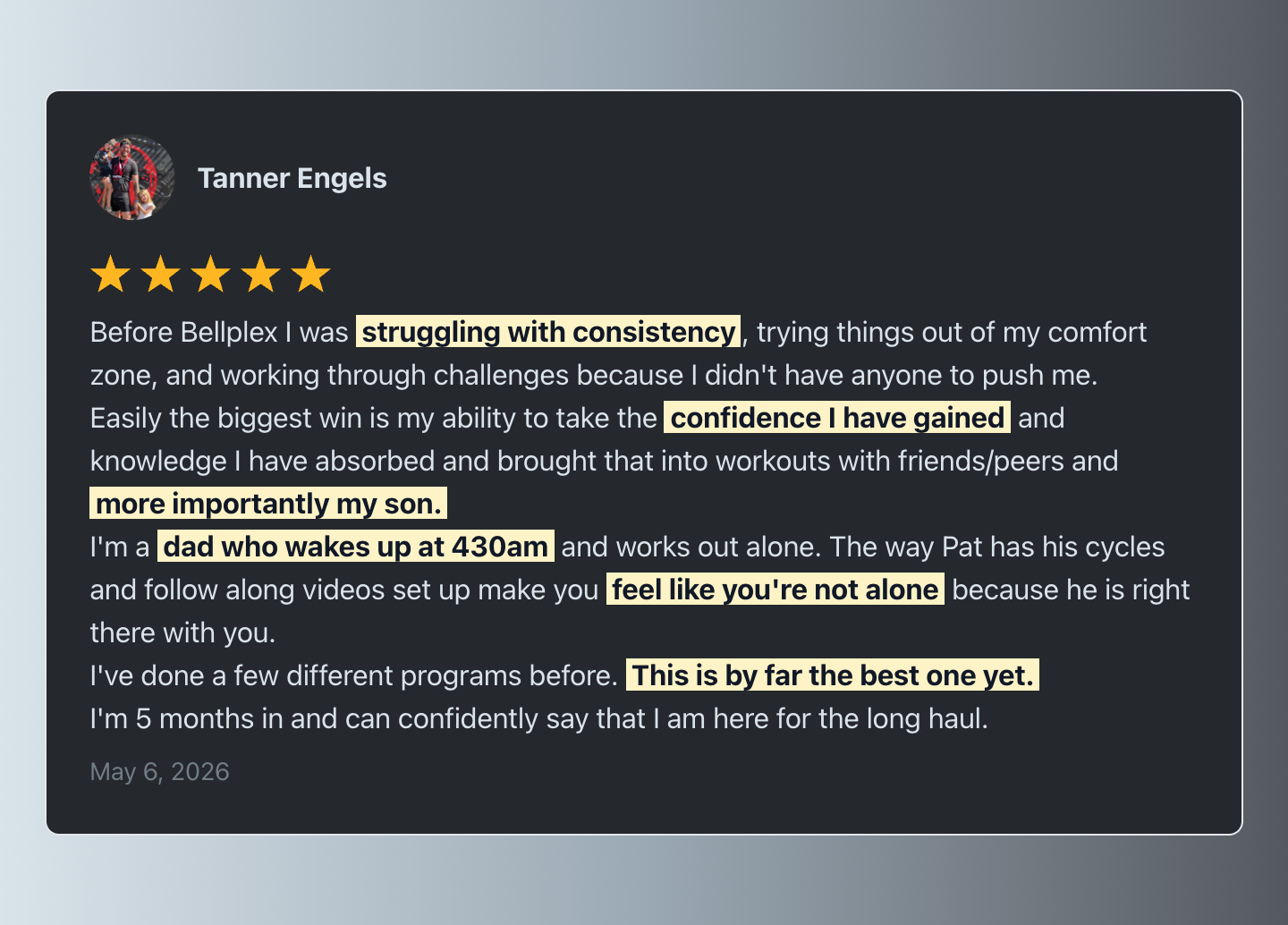
| Pat Domin | Kettlebells | Skool became his single largest traffic source |
| Sailor Dean | Sailing careers | ~10 new members a day; "the ad is better than anything I've made" |
| Cohen | Dog training ($29/mo) | Passed $3k/mo (the clover); 144 signups in 30 days |
| Shemica | (paid relaunch) | 321 members in 7 days; hit #3 in trending |
| Katie | Healing art | Skool actively advertising her community |
| Matt Ryder | Sales | 268 signups in 25 days; Skool drove 52% of signups; +$20k MRR |
| (Cyber Range) | Cyber security | Skool repurposed his organic video content into ads |
| (creator) | Microscope exam prep ($97/mo) | $13,500/mo; Skool matched her 174k-follower Instagram traffic |
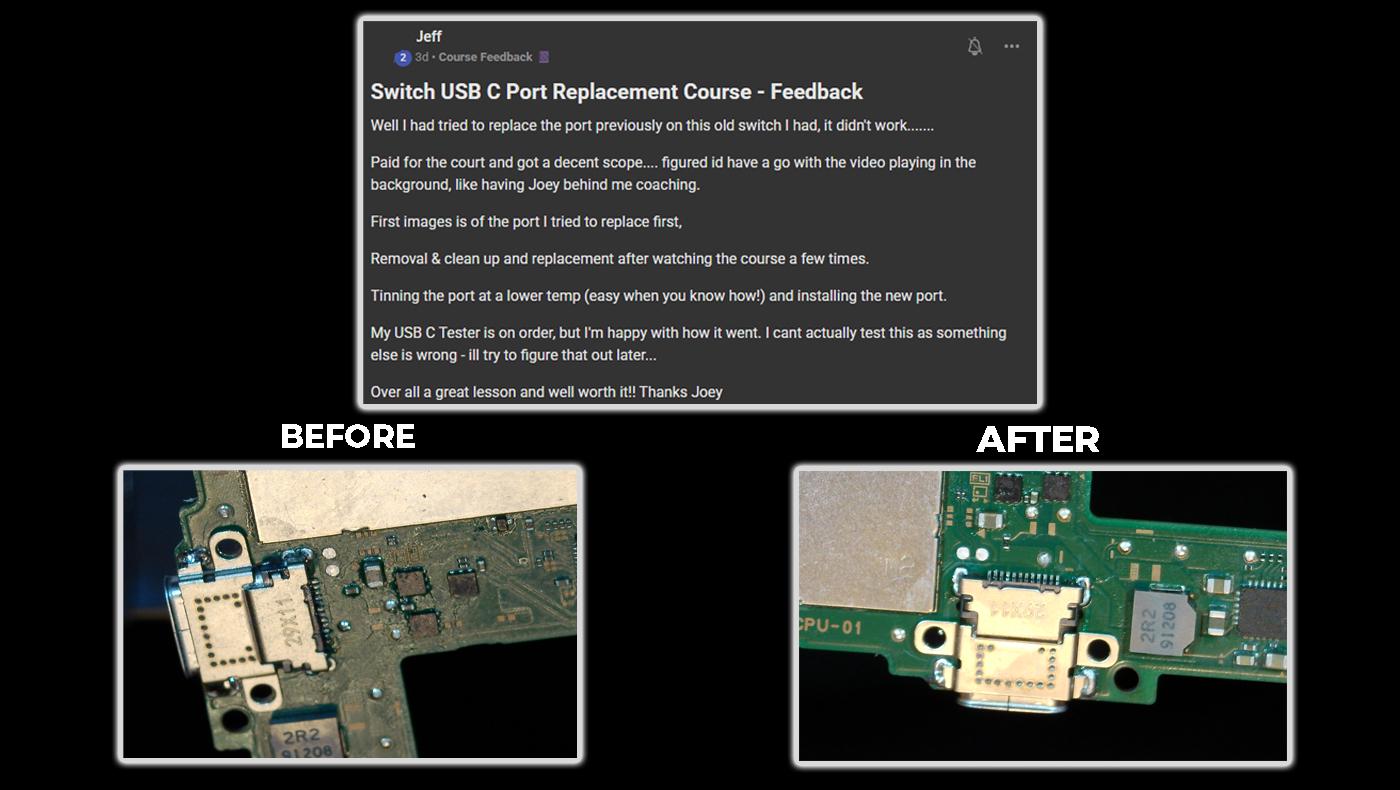
| Joey | Electronics Repair ($34/mo) | $6,600/mo; Skool drove 54% of traffic, double his 200k YouTube |
| Mike Chang | Flow60 (breathwork) | ~$5k/mo; Skool drove 29% of signups |
| (creator) | (general) | "297 paid members in 30 days, the closest thing to free money" |
Join Skool free to see what's working now →
A few of the communities behind these numbers, and how ordinary their niches are:


The most precisely measured result so far
The single cleanest set of published figures belongs to Avery B, who reported his first 30 days in the Skoolers community in August 2026 on a brand-new $5 a month community: 3,000 visitors, 312 signups, a 10.4% conversion rate, $637 in new MRR and $840 total MRR.
What makes it useful is that he could attribute the traffic. He already had a YouTube channel of almost 100,000 subscribers and had been putting the community link in his descriptions, so he had a control group. Only 38% of visitors came from YouTube. Around 48% came directly from the Skool network. In month one, the platform out-referred an audience that took years to build.
Read the conversion rate honestly, though. At 10.4%, the price is doing a lot of the work, and $5 a month is at the bottom of the range Skool considers efficient. Higher-priced groups in these results convert lower and earn more per member. The transferable part is not the percentage, it is that discovery traffic and audience traffic are additive rather than substitutes.
The month-two update: 1,124 visitors in a single day
On 26 August 2026 Avery B reported that Skool sent his $5 a month community 1,124 visitors in a single day, part of 5,400 visitors and 368 signups over the previous 30 days. It is a like-for-like follow-up on the same community at the same price, which is what makes it worth reading next to the month-one figures above.

The rest of his reported numbers: $812 in new MRR and $1,100 in total MRR, with 70.5% of all traffic now coming from the Skool network. His summary of it was "Growth boost for the win".
Put the two months side by side and the shape of the thing appears.
| Reported figure | First 30 days | Latest 30 days |
|---|---|---|
| Visitors | 3,000 | 5,400 |
| Signups | 312 | 368 |
| Conversion rate | 10.4% | 6.8% |
| New MRR | $637 | $812 |
| Total MRR | $840 | $1,100 |
| Share of traffic from the Skool network | About 48% | 70.5% |
Volume rose 80% and signups rose 18%, so the conversion rate fell from 10.4% to 6.8% while total revenue still went up. That is the trade-off nobody mentions when they post a traffic screenshot: as the platform sends more, it sends broader, and a falling conversion rate is not automatically a broken page.
There is a harder number hiding in that table, and it is the reason to publish two months rather than one. Month one closed at $840 of total MRR. Month two added $812 of new MRR, which should have produced $1,652. It produced $1,100, so roughly $550 of recurring revenue left in the same window. New MRR climbing is worth something, but only what retention lets you keep, and on these figures churn is doing about as much work as growth. That is the question to ask of every Growth Boost screenshot you see: not how much came in, but what the total did.
The second number to sit with is the 70.5%. In month one the network was supplying about half his traffic against an established YouTube audience. Two months in it supplies roughly seven visitors in ten. His own framing is that the platform is now out-referring a channel he spent years building, which is the strongest argument in this article for treating discovery as a distribution channel rather than a bonus. We report the audience size loosely on purpose: his post describes a channel of nearly 100,000 subscribers while his Skool bio claims more than a million, so the traffic figures are the part worth quoting.
Month three: 8,566 visitors in one day, and a 3.1% conversion rate
On 27 August 2026, one day after the post above, Avery B reported a much larger single day: 8,566 visitors and 100 new members. His framing was that before Growth Boost it had taken him months to get 100 members in a previous community.
The rest of the figures in that post, in his words: the community was started on 6 July 2026, so it was seven weeks old. Over the reporting window 15,246 visitors came from the Skool network, about 90% of all his traffic. YouTube, where he states he has almost 100,000 subscribers, accounted for 6.7%. His overall conversion rate had fallen to 3.1%.
That last pair of numbers is the whole article in miniature, and he says it better than we would: he would rather convert 3% of 16,800 people than 10% of 3,000. Run it. Three per cent of 16,800 is 504 signups. Ten per cent of 3,000 is 300. The falling percentage is not the story; the absolute number is.
| Reported figure | First 30 days | Second window | Third window |
|---|---|---|---|
| Best single day of visitors | Not stated | 1,124 | 8,566 |
| Conversion rate | 10.4% | 6.8% | 3.1% |
| Share of traffic from the Skool network | About 48% | 70.5% | About 90% |
Read down the last two columns and the pattern is consistent across three reports from the same community at the same $5 price: as Skool sends more traffic, the share coming from Skool rises and the conversion rate falls. Neither of those is a problem in itself, and neither is evidence that the page got worse. It is what a broadening top of funnel looks like.
He did not publish an MRR figure for this window, so we cannot repeat the retention check that the month-two numbers allowed. That is the number to ask for whenever someone posts a traffic screenshot, and it remains the one most rarely posted.
The migration result: 188 members in a week after switching platforms
A newer pattern showed up in August 2026: Growth Boost as the payoff for migrating an existing community onto Skool. Melanie Moscicki posted her story in the Skoolers community after moving an established eCommerce community for women off another social platform in late June, knowing, in her words, nothing about Skool. Her old setup was failing in slow motion: streams dropping, announcements unseen, members lost in onboarding.
Mid July, Growth Boost kicked in and the group started adding 15 to 20 members a day. She then did the two things the efficiency system rewards: optimized everything as advised for Growth Boost, and layered her own ads on top to drive extra traffic to the community. The week before her post, the group gained 188 members, the majority from Growth Boost. Her sharpest line puts the model in perspective: she had spent multiple seven figures on advertising on the previous platform, and not once had it run ads on its own dime to help her reach people.
The transferable lesson is the stack. Platform-funded discovery and your own paid traffic are not either-or; her result came from optimizing for the boost first, then adding her own fuel, the same additive pattern as Avery B's YouTube-plus-network split above.
The result nobody posts about: 34,000 visitors, no conversions
In the same week, another Skoolers member reported roughly 34,000 visitors from the boost with a conversion rate at effectively zero. That deserves to sit next to the wins, because it is the more instructive number.
Growth Boost distributes attention. It cannot make the page that attention lands on answer the visitor's question. When volume is high and conversion is near zero, the fault is at the about page, not in the traffic: the niche in the ad does not match the first line of the page, the price does not fit the promise, or the page never names who it is for. This is also self-correcting in the wrong direction. Non-converting traffic lowers your efficiency score, and the efficiency score is what decides next month's budget, so a page that does not convert quietly turns the tap off.
The one thing they all share
None of these are the same niche, and that is the point. What connects them is not the topic, it is that each one is a clear, specific niche. The tighter the niche, the better Growth Boost works, because when someone into fantasy crochet or PlayStation repair sees an ad for exactly that, it does not feel like an ad. It feels like it was made for them, and they click.
Niche within a niche is the unlock. "Crochet" would catch some attention. "Fantasy crochet" screams at the right person. The lesson from every result above: you do not need a bigger audience or a trendier topic, you need a niche so specific that the right person cannot scroll past it.
Notice too that Growth Boost is not only for beginners. Matt Ryder and Mike Chang have large existing audiences and still saw Skool drive a major share of signups on top of what they already had. And it is not only for the tiny either, a fantasy crochet group at $5 a month is on the same board as sales and fitness creators. To understand the machine behind these numbers, read how Skool Growth Boost works and how to win with it. For the biggest earners on the platform, see the top of the Skool leaderboard.
Frequently asked questions
Does Skool Growth Boost actually work?
Based on results creators have shared publicly, yes, across many niches, with Skool Network often driving 50 to 98% of signups. Results vary and depend heavily on how clear and specific your niche is.
Does Growth Boost only work for money and AI communities?
No. Reported wins include crochet, guitar, plumbing, dog training, sailing, language learning, and breathwork. The niche matters less than how clearly defined it is.
Do I need a big audience for Growth Boost to work?
No. Both tiny creators (a $5/mo crochet group) and large ones (audiences over 100k) have reported strong results. A clear niche and good packaging matter more than audience size.
What conversion rate should I expect from Growth Boost traffic?
There is no standard figure, and the price you charge moves it more than anything else. One published August 2026 example shows 10.4% on a $5 a month community, which is at the low end of Skool's efficient price range and therefore near the top end of what conversion can look like. Higher-priced groups convert lower per visitor and earn considerably more per member, so compare revenue per visitor rather than conversion rate alone.
Why would Growth Boost send tens of thousands of visitors and produce no members?
Because traffic and conversion are separate problems. A reported case from August 2026 involved roughly 34,000 visitors converting at effectively zero. When that happens the about page is the cause: a mismatch between the niche advertised and the niche described, a price that does not fit the promise, or a page that never states who it is for. It also compounds, since traffic that does not convert lowers the efficiency score that sets your future budget.
Does Skool send more traffic than my own audience?
It can, and for at least one documented case it did within the first month. The 48% from the Skool network versus 38% from a nearly 100,000-subscriber YouTube channel is the clearest published example. Treat it as evidence that the two channels stack rather than as a figure to expect.
Start your Skool community
Ready to build a community of your own? Start on Skool through our link. We may earn a commission if you create and keep a paid community, at no extra cost to you.
Start your Skool community →Keep reading

Average Skool Churn Rate: What the Data Actually Shows

Skool Platinum: The $100,000/Month Interviews, Now Public

Skool MRR Leaderboard: The First $1 Million Month
Skool Community Cost: 768 Monthly Prices Measured
The Skool Games Leaderboard: Top Earning Communities (July 2026)

Laptop Lifestyle Freedom: Nick Staab's Skool Review
Skool Analytics Explained: Every Metric in the Dashboard
Skool Growth Boost: How It Works and How to Win With It
How a Fantasy Crochet Skool Got 98% of Its Members From Skool Itself
