Published Researcher: 164 Members, 2,116 Posts, $69/Month
Marek Kiczkowiak's $69 Skool community for academics chasing Q1 papers. It runs 12.9 posts per member on four admins, and it is two years old, not one month.

Published Researcher is Marek Kiczkowiak's Skool community for academics who need papers in Q1 journals, priced at $69 a month with a 7-day free trial. Measured on 2 September 2026 it held 164 members, 4 admins, 2,116 posts and 14 courses across 142 modules. It was created on 21 June 2024, which matters, because Skool featured it as a Skool of the Week under a framing about communities built in roughly a month.
That posting figure is the number to hold on to. A room of 164 people carrying 2,116 posts is running at 12.9 posts per member, among the densest ratios in our corpus and second only to C.S. Joseph's 13.7 among the rooms we have measured under 250 members. Almost everything else on this page follows from it.
The numbers, measured 2 September 2026
- Education niche, academic publishing
- Created 21 June 2024, so 2 years and 2 months old
- 164 members, 4 admins, a ratio of 1 admin per 41
- 2,116 posts, or 12.9 per member
- 14 courses across 142 modules
- $69/month entry price with a 7-day free trial, button reads START FREE TRIAL
- Three membership products, only the entry price published
- Runs on Skool's Pro plan
- Not on the global top 100, so no public MRR figure exists
Who is Marek Kiczkowiak?
He is the founder, and his Skool bio gives his title as "Research Paper Coach | Book Worm" with a location of Costa Rica. The account is the one the community is registered to.

What does the Published Researcher page sell?
A publication rate, not a skill. The promise is three to five Q1 papers a year, and the page is built almost entirely from the things that stop academics getting there. Here is the about copy as published, with emoji flattened to plain marks. The numerals down the left are ours, not the page's; hover one to see what that line is doing.
2[trophy] 192 Q1 papers in 2 years by members (top 1-5% journals in 36 disciplines)
[handshake] Trusted by scholars from Stanford, John Hopkins & Cambridge
Stop dealing with:
[x] Another Q1 rejection
[x] Years of unpublished data
3[x] Tenure stress & stalled academic career
Instead, get:
[check] Q1 publications (even after past rejections)
[check] Authority in your field & competitive grants
[check] Academic promotions, tenure & higher salary
What's inside?
[laptop] Daily Expert Coaching
[pen] Scientific Feedback: Fix paper flaws before reviewers see them
4[robot] Published Researcher AI: Ethically multiply Q1 output
[star] Published Researcher Systems: 250+ frameworks
Who it's for:
[grad] PhD students needing Q1 papers to graduate
[scientist] Postdocs under 'publish or perish' pressure
[teacher] Professors wanting 5+ Q1 papers without rejections
5[siren] Price goes up at 200 members [siren]
[lock] Zero Risk FREE 7-Day Trial. Test all systems today. Cancel before day 7, pay $0.
Why 12.9 posts per member is the whole business
Because the deliverable is feedback on a document, and feedback only exists as a thread. A room selling recorded modules can serve 1,400 members on three admins, as Art of Femme Society does at 0.10 posts per member. A room promising to find the flaws in your paper before a reviewer does cannot, because every paper is a separate conversation with a separate person.
The staffing confirms it. Four admins on 164 members is one per 41, and that is not a content team, it is a review capacity. Set the two together and the room's size stops looking modest and starts looking deliberate: 164 is roughly what four people can read for. The standing pattern across our corpus holds here in its cleanest form yet, which is that the promise on the sales page sets the staffing, and the staffing sets the ceiling on the roster.
| Room | Members | Posts per member | Admins | Deliverable |
|---|---|---|---|---|
| Published Researcher | 164 | 12.9 | 4 | Feedback on your paper |
| C.S. Joseph | 238 | 13.7 | 6 | Live typology teaching |
| Esti Mai Mult | 143 | 7.2 | 5 | Two to three live calls a week |
| Art of Femme Society | 1,404 | 0.10 | 3 | Recorded modules |
Read the right-hand column as the cause and the middle two as the effect. Nothing about the niche explains the spread; the promise does.
The Skool of the Week framing does not survive the creation date
Skool News #72, published on 1 September 2026, presented four featured communities as owners who had gone from nothing to real revenue in about a month. The other three were created on 20 July, 10 August and 14 August 2026, so they were between 18 and 43 days old at the feature. This one was created on 21 June 2024, making it 802 days old on the same date.
The framing was Skool's, not the founder's, and nothing on this community's page claims it was built in a month. We are also not calling the framing a misrepresentation, because the observation Skool was making holds for the other three rooms. But a reader who applies "one month" to all four will draw the wrong conclusion about how fast an academic-publishing room fills. This room did not take a month to reach 164 members. It took over two years, and 2,116 posts. We set out the same qualification for the other featured rooms in our write-up of Skool News #72, and the audience half of it in Skool Platinum.
The useful version of the story: a 164-member room at $69 with four admins reading papers is a small, dense, defensible business. It is a worse headline than "from scratch in a month" and a far better model for anybody who actually teaches something that has to be marked.
What this room is doing that a course seller cannot
Selling a rate rather than a result. "Three to five Q1 papers a year" is a subscription-shaped promise: it can only be delivered over time, it cannot be finished, and the customer who succeeds this year has the same need next year. Compare that with a 21-day challenge, which is designed to reach a finish line before the second charge lands, as Merch Makers is.
Both are legitimate and they solve opposite problems. A challenge fights early churn. An annual rate fights the moment a member decides they have got what they came for. Academic publishing happens to be one of the few markets where the second structure is the honest one, because the pressure genuinely recurs every year until the member retires. If your subject matter has that property, price it as a rate. If it does not, do not pretend it does. The wider version of this decision is in how to price a Skool community.
The three prices you cannot see
The room publishes $69 a month and carries three membership products. Only the entry price is exposed on the about page, so the two above it are not public and we are not going to estimate them.
This is worth flagging every time we meet it, because it is the single biggest reason a member count multiplied by a sticker price is not revenue. Published Researcher is not on the global top 100 leaderboard, so unlike the rooms in our MRR leaderboard there is no published figure to check the arithmetic against. Anybody quoting 164 times $69 as this room's monthly revenue is quoting the floor of a range whose top they cannot see.
Frequently asked questions
What is Published Researcher on Skool?
It is a paid Skool community run by Marek Kiczkowiak for researchers and PhD students who need to publish in Q1 journals. Entry is $69 a month with a 7-day free trial, and on 2 September 2026 it held 164 members, 4 admins and 2,116 posts across 14 courses. The page promises daily coaching, written feedback on papers before submission, an AI tool and a library of frameworks.
What does Q1 journal mean?
Q1 is the top quartile of journals in a given subject area when they are ranked by impact metrics, so a Q1 journal sits in the highest-scoring 25% of its field. Published Researcher's about page describes its target as the top 1 to 5% of journals across 36 disciplines, which is a narrower claim than Q1 alone. Rankings differ between Scopus and Web of Science, so the same journal can be Q1 in one index and Q2 in another.
How much does Published Researcher cost?
The published entry price is $69 a month, and the join button offers a 7-day free trial, with the page stating that cancelling before day 7 costs nothing. The community carries three membership products but publishes only the entry price, so there are at least two higher tiers whose cost is not shown publicly. The page also states that the price rises at 200 members; the counter read 164 on 2 September 2026.
Was Published Researcher built in a month, as Skool News #72 implied?
The framing was Skool's, not the founder's, and the answer is no. Skool News #72, published 1 September 2026, featured four communities under a Skool of the Week framing about rooms built from nothing in about a month. The other three were created on 20 July, 10 August and 14 August 2026. Published Researcher was created on 21 June 2024, so it was 802 days old when it was featured. The room is genuinely small and genuinely dense; it simply is not new.
Can a Skool community work for academic or research audiences?
On this evidence, yes, but with a different shape from a business community. The room is small, heavily staffed at one admin per 41 members, and carries 12.9 posts per member, because the deliverable is written feedback on individual papers rather than recorded lessons. That structure limits how large it can grow and it is why the price sits at $69 rather than $9. See our guide to Skool community ideas for how niche shape drives format.
Is there a free trial for Published Researcher?
Yes. The join button reads START FREE TRIAL and the about page states a 7-day zero-risk trial with no charge if you cancel before day 7. Skool's free trial mechanic is the same across the platform and is explained in our Skool free trial guide, including what happens to your access on the day the trial ends.
Start your Skool community
Ready to build a community of your own? Start on Skool through our link. We may earn a commission if you create and keep a paid community, at no extra cost to you.
Start your Skool community →Keep reading

Hacksmith's Peptalk Community: The $10/Month Peptide Education Skool With 3,000 Members

Phonics & English Hub: How Tara Taylor Sells Online Phonics Classes for Kids to 336 Families on Skool

Level-Up GCSE & A-Level Pro: How Andy Hoyland Sells to Parents, Not Students, at $52/Month
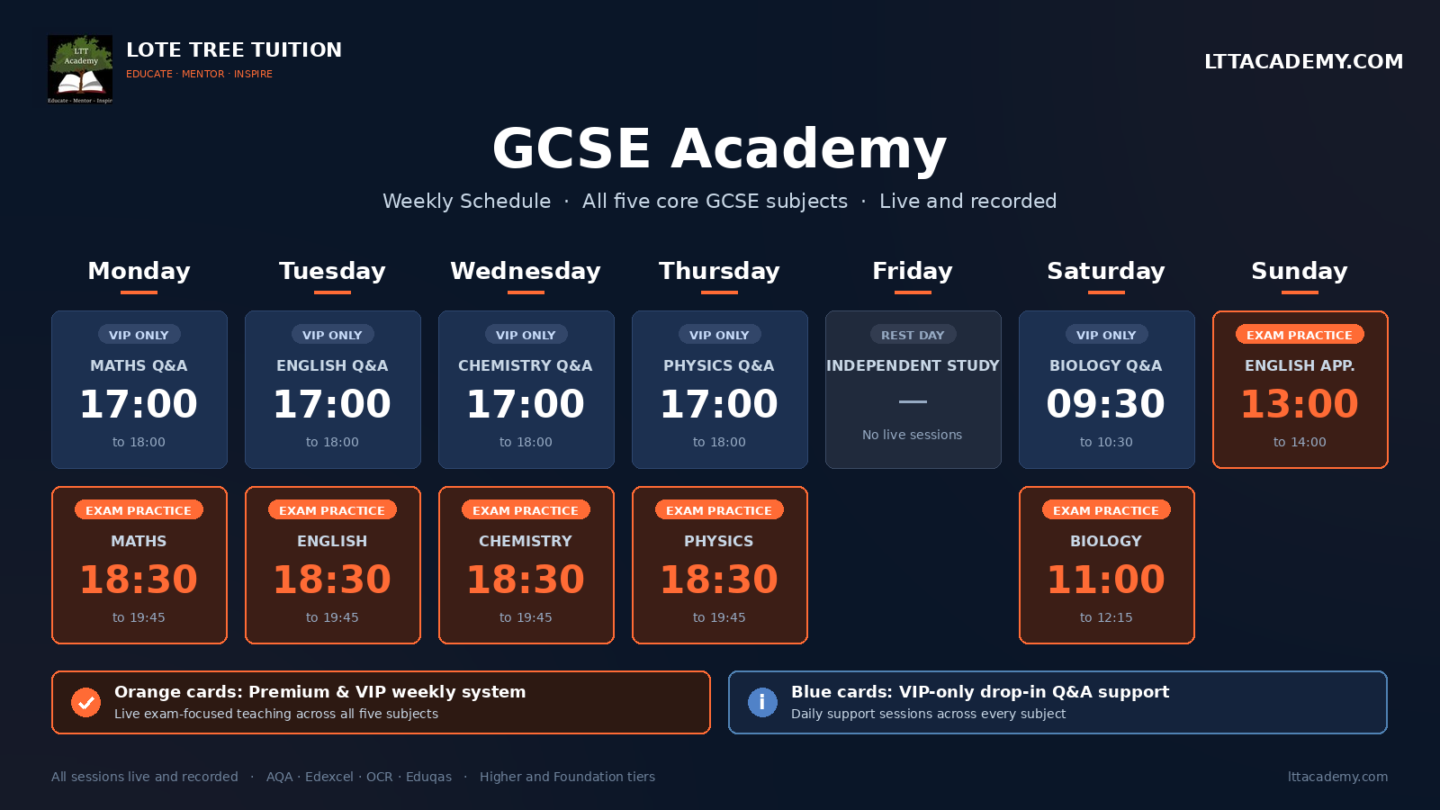
LTT Academy (GCSE): How Hannan Khan Sells a Five-Subject Revision System at $80/Month
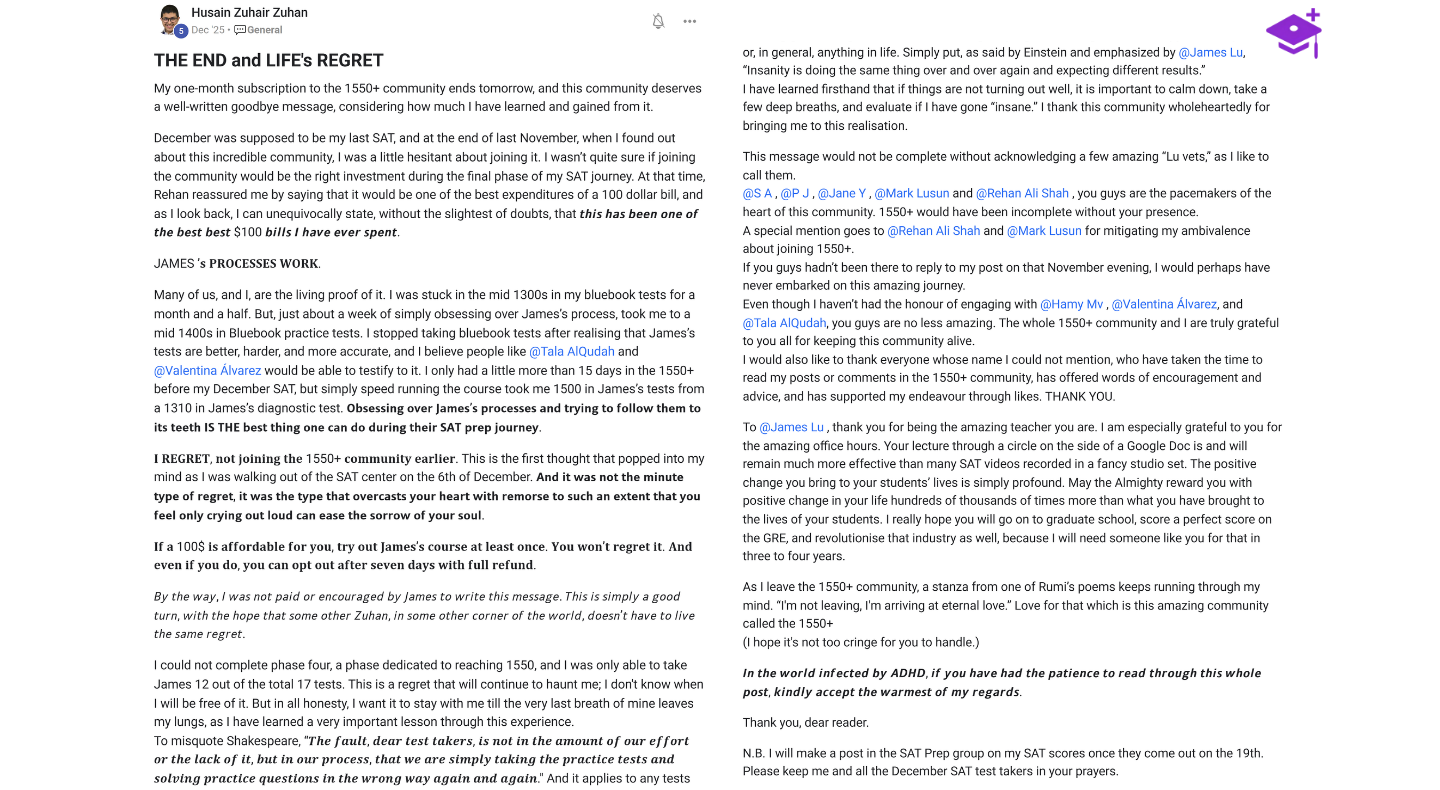
The 1550+ Formula: How James Lu Sells SAT Prep to Serious Students on Skool

Studicata: The Free Bar-Exam Skool With 19,000 Law Students

Thrive at 40: Jay Alderton's $37 Skool Review

Sailors Connect: Sailor Dean Skool Review

Community Launch: Christian Crenshaw Skool Review
